The Value of Community
I’ve had the privilege of volunteering with the PMI Mile Hi Chapter for eleven and a half years, including nearly five years as President. If there’s one thing that experience has taught me, it’s that community doesn’t happen by accident.
PMI Mile Hi is one of more than 200 chapters of the Project Management Institute worldwide. We serve roughly 4,300 members, making us one of the largest PMI chapters on the planet. Keeping a community of that size engaged, connected, and energized is not a small lift.
Our board is made up of seven people: the President (hello!) and Vice Presidents of Professional Development, Membership, Outreach, Finance, Marketing, and Technology. Under each of those roles are directors who run programs, initiatives, and events. Rather than a traditional hierarchy, we are more like a group of very organized spiders, each working their part of a shared web and supporting one another when things wobble.
And we need the support because we run A LOT of programs.
We host dozens of events every year, with six to twelve happening in a typical month. That ranges from small regional networking meetups to our annual Symposium, which draws around 900-1000 attendees. We support mentorship, students, veterans, professional development, leadership growth, and more.
But PMI Mile Hi is not just a collection of programs or a roll call of people. We are one of the most active PMI chapters globally. Our LinkedIn community is thriving. Our events are consistently well attended. Our volunteers show up not just for PMI but also for the broader community, and we recognize them for that through various awards and recognitions, such as Volunteer of the Year.
In 2025, we were recognized by PMI Global as a finalist for Chapter of the Year because of our engagement, leadership, and social impact. That didn’t happen because we just scheduled meetings.
It happened because we built a community.
Events Are the Vehicle, Not the Point
Community matters everywhere, not just in professional associations. Nonprofits, corporations, project teams, or any organization that wants to accomplish meaningful work needs a strong community behind it. Humans are wired for connection.
Any organization can put people in a room (or a Zoom). But a group of people awkwardly mingling with no clear purpose does not magically turn into a community. You have to listen to the people you’re trying to serve and design experiences they actually enjoy.
That means events should be educational, inspiring, and FUN. If you hear me talk about volunteering, you have heard the words “FUN AND EASY”. They should have a reason to exist beyond “we’ve always done it this way.”
We’ve adjusted formats, timing, locations, and even entire programs over the years based on member feedback. When people tell you what they want, believe them.
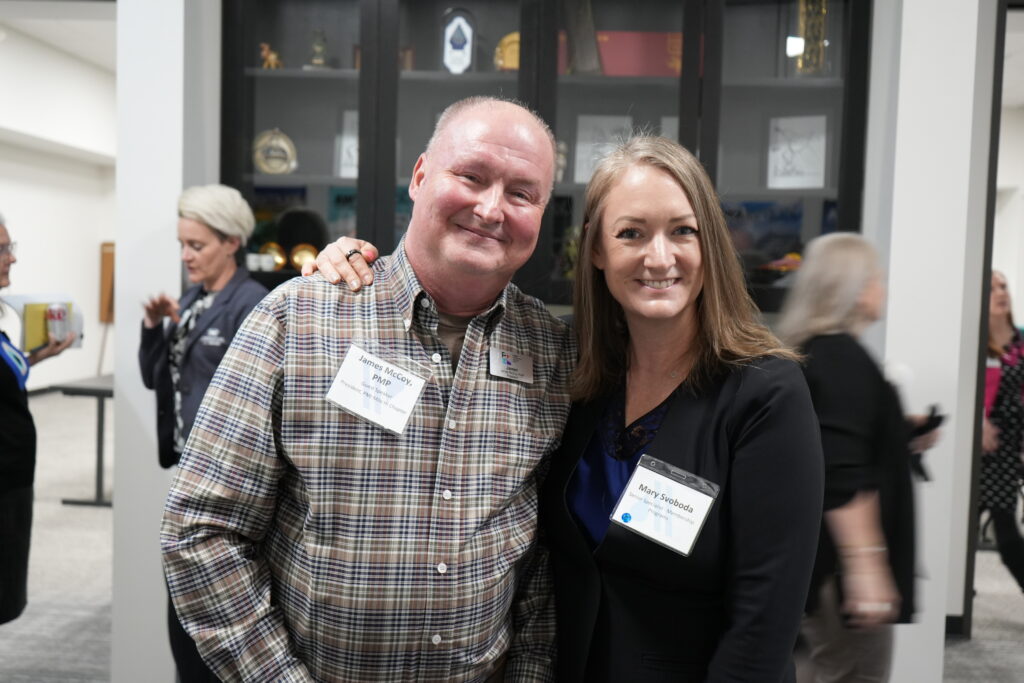
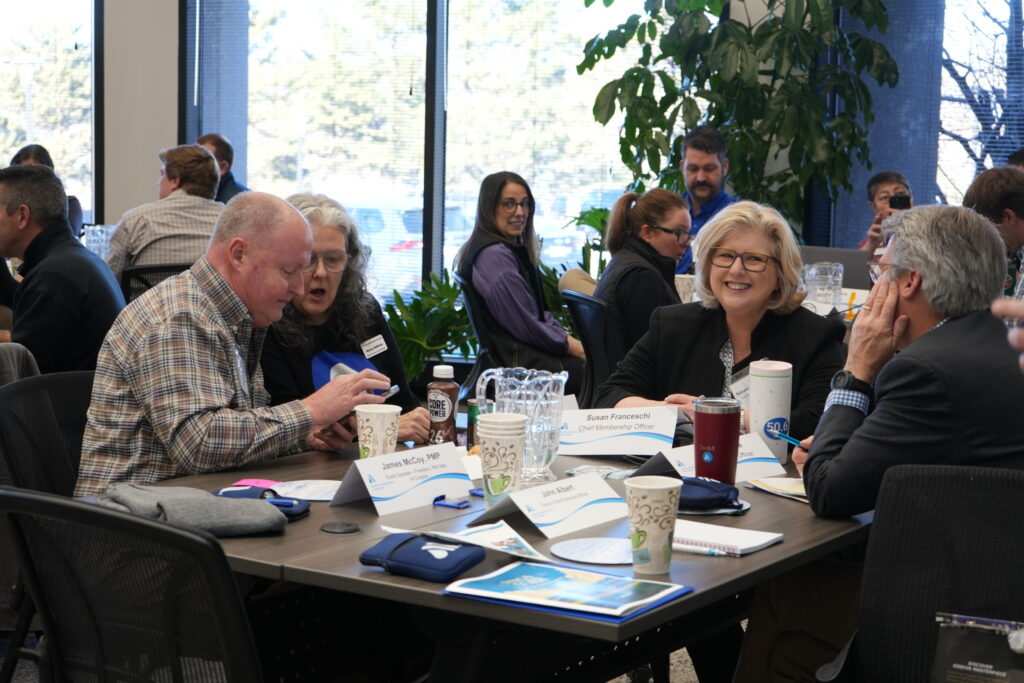
Equally important: plan events with intention and warmth. Make leadership visible and accessible. At PMI Mile Hi, at least one board member attends almost every new member and networking event. When leaders show up, people feel seen and heard. And when people feel that way, they stay involved.
However, events can’t exist just for their own sake.
What This Looks Like in Practice
Here are a few examples of some of our most successful events and why they work:
New Member Orientation
These are designed to be easy and welcoming. They are convenient; after work, in a central location. We always have food (the way to the heart is through the stomach, right?). Simple icebreakers, clear explanations of how the chapter works and dedicated networking time. The vibe is warm, relaxed, and unintimidating.
Rocky Mountain Project Management Symposium
One of the largest PMI chapter symposiums in the world. Big-name keynotes (including upcoming speakers like Nicole Malachowski, the first female U.S. Thunderbirds pilot). Deep-dive sessions, PDUs, vendor booths, giveaways, and an all-day experience hosted at the Gaylord Rockies. It’s high energy and professionally run by a team of volunteer leaders. Happening this year on April 3rd! Register early to secure the early-bird discount.
Women in Project Management Leadership (WPML)
An all-day event focused on empowerment and leadership across industries. Directors run the entire program with total autonomy, from speaker selection to venue choice. That ownership shows. The day includes PDUs, sponsors, candid conversations, laughter, and loads of genuine networking showing a strong sense of community.
Networking Events
From Women’s Connect to PM Pulse to regional meetups, these are intentionally designed to be accessible and human. Coffee shops, restaurants, after-work timing, flexible formats, and my personal favorite (Chicken Wings). Directors choose themes and locations, which keeps things fresh and relevant. Relationships form naturally because the pressure is low and the welcome is genuine.
Why It Works: The S.Y.N.C. Model
Bottom line, people feel welcomed and important. I recently was the Keynote for a non-profit company that used SYNC and SOAR. So, I’ll give a little insight into the SYNC model.
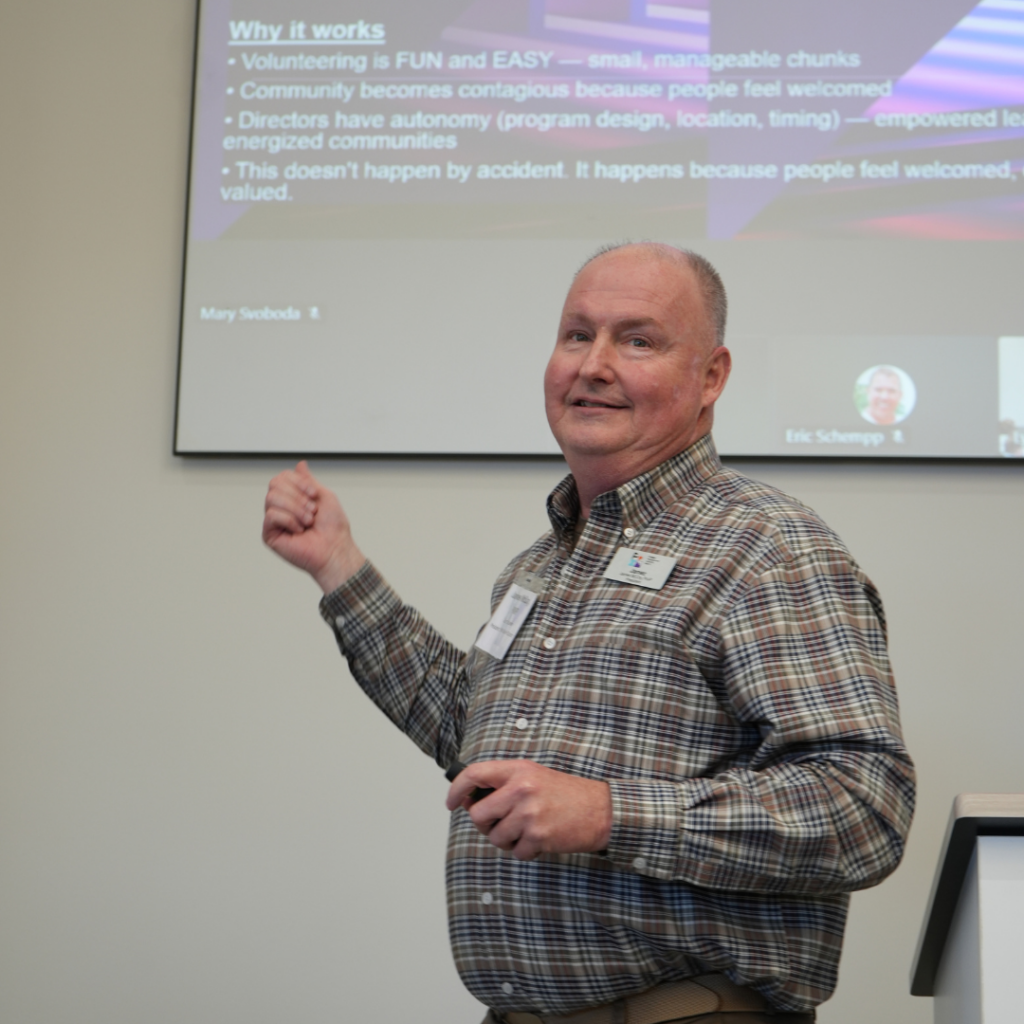
We offer numerous volunteer opportunities that are intentionally small, specific, and supported. Volunteering is meant to be fun and manageable, not overwhelming (Remember FUN AND EASY). Directors have autonomy, which creates ownership. Ownership creates energy. Energy spreads.
Community becomes contagious when people feel valued. And to get there, you need to S.Y.N.C.:
S — Start With Belonging
People want to feel seen and heard before they want to contribute.
Y — Yield Leadership
Share ownership. Empower others. Celebrate initiative instead of controlling outcomes.
N — Nurture Connections
Relationship-building is not extra work. It is the work.
C — Celebrate Everything
Recognition multiplies momentum. Small wins matter.
When these principles are applied consistently across programs, events, and roles, something powerful happens. Retention increases. Volunteers step up because they want to, not because they’re burned out. Culture becomes self-sustaining.
The Real Payoff
Beyond good attendance and packed calendars, community creates important outcomes. We’ve had members get jobs because of their involvement in PMI. Skills grow, and confidence builds. Members push beyond what they thought they were capable of.
That’s how you know you’ve made a valuable community, when members lives are better for being in it.