I did not start my career as a project manager. I was working in IT when my boss one day decided to assign me the role. From that forced beginning, I grew to love project management and have had a long, fulfilling career.
My story isn’t unusual. Many people don’t start their career thinking “I’m going to be a project manager,” but they find themselves coordinating teams, organizing work, and managing deadlines and realize, “Hey! I am a project manager!”
Then the question becomes, how do you turn that experience into a real career path?
As I prepared to talk to students at the University of Denver and gathered my thoughts for that presentation, with the subject hot on my mind, I thought I would share my project management journey with you. This is an explanation of where I find value, and how I guide community members through my work with the PMI Mile Hi Chapter.
What is PMI?
The Project Management Institute (PMI) consists of two parts: the global organization, and local chapters.
1. PMI Global
Founded in 1969, PMI has become one of the most respected professional organizations for project management worldwide. It not only gathers professionals, but it also creates standards, certifications, research, and best practices that the industry relies on to stay relevant and effective.
2. Local Chapters
Within the global organization, there are regional communities that connect project management professionals. PMI Mile Hi, where I am in my 5th year as chapter president, is an example. It is one of the largest and most active chapters in the world, providing networking, education, and support that is tailored to the needs of the people in our region.
PMI provides the professional framework and the community that supports careers.
The Certifications Everyone Talks About
If you spend five minutes on LinkedIn job postings for “Project Manager,” you’ll start noticing a pattern. When companies list a certification requirement, it’s usually a PMI certification.
Certifications from Google or other professional organizations can certainly be helpful, but in most cases, a PMI certification is more universally applicable. Not to mention, well known and respected.
Here are the two most common certification paths you’ll hear about when you’re launching your PM career:
CAPM: A Strong On-ramp
The CAPM (Certified Associate in Project Management) is designed for people newer to project management. It focuses on fundamentals and gives you structured language for what you’re already learning on the job. If you’re early in your career or transitioning into project management without much formal experience, CAPM can help you build confidence and credibility.
PMP: The Gold Standard
The PMP (Project Management Professional) is widely considered the gold standard because it signals that you understand the concepts and can apply them. It focuses on real-world use of project management principles and is consistently recognized across industries.
Here’s my perspective, because I get asked about it all the time:
CAPM is not always the required first step, but many people think it is because it’s just the “default suggestion” they hear and repeat.
If you already have project experience, you may qualify for the PMP sooner than you think.
PMI is looking for experience, not job titles. You don’t need “Project Manager” on your business card to have PM experience. If you’ve been managing scope, coordinating stakeholders, handling risks, working with vendors, controlling timelines, owning communications, and driving delivery, that counts. Formal education, such as a Master’s Degree, can also contribute to the experience you need to sit for the PMP.
CPMAI: Addressing Growing Need
I can’t leave certifications without mentioning the CPMAI, which is PMI’s fastest-growing certification at this time. It brings a solid framework to implementing AI projects, which covers data and business requirements up front (sound familiar?). I certainly recommend this one as well, as the world continues adapting to AI.
The Many PMI Membership Benefits
Certifications are what people talk about first, but membership is where PMI becomes an effective career tool.
At the global level, membership comes with tangible benefits that can save you money and give you resources you’d otherwise pay for separately, including:
- ● Discounts on PMI certifications, renewals, and eLearning
- ● Access to free and discounted webinars and training
- ● Opportunities to earn PDUs (professional development units) to maintain certifications
- ● Access to PMI research, including the salary survey
- ● The PMBOK Guide and additional standards and best-practice resources
- ● Downloadable templates and tools that help you work faster and smarter
- ● Access to a business reading center with a deep library of publications
Tools like PMI Infinity, an AI-powered support resource for PM professionals
If you’re early in your career, this is a big deal because it gives you structure, vocabulary, and a playbook. It also gives a consistent way to keep learning without having to reinvent your professional development plan every year. An underestimated benefit!
Where the Real Value Is: Your Local Chapter
Here’s where I’m going to get opinionated.
If PMI Global is the car, the local chapter is all the bells and whistles. It’s where the rubber hits the road.
I’m obviously biased because I’m the President of PMI Mile Hi, but I’ll say this confidently: the chapter experience is what turns PMI from another membership into something very useful and supportive.
At the chapter level, you get what most people are really looking for when they’re launching a career:
Networking that isn’t awkward (most of the time)
Local chapter events introduce you to project professionals across industries. In Denver alone, you’ll meet people in tech, healthcare, construction, aerospace, energy, finance, government, and more.
Project management is one of the most transferable careers on the planet, so even outside your industry, your network becomes your career options.
Programs that support you when you’re job searching
At PMI Mile Hi, we have a Job Search Group (JSG) that blends practical skill-building with community support. Resumes, LinkedIn, interviewing, job search strategy, and encouragement from people who are on your team.
We also work to bring recruiters and sponsors into the community so you’re networking with peers and the broader ecosystem.
Mentoring and specialty communities
One of the best ways to shorten your learning curve is to get in rooms with people who have already done what you’re trying to do.
Local chapters often offer mentoring programs and specialty groups. At Mile Hi, examples include Women Connect, military and spousal support programming, and other community-driven opportunities.
Volunteering that builds experience (and credibility)
If you’re trying to break into project management, volunteering can be a fast track. It gives you leadership reps, delivery reps, and accomplishments you can put on a resume.
It also introduces you to people who will vouch for you when opportunities come up. That part can’t be overstated.
We also have volunteer-led community impact work like PM Day of Service and PM Impact, where project managers support nonprofit organizations. It’s meaningful work, and it’s also great experience.
Why Networking Is the Hidden Career Accelerator
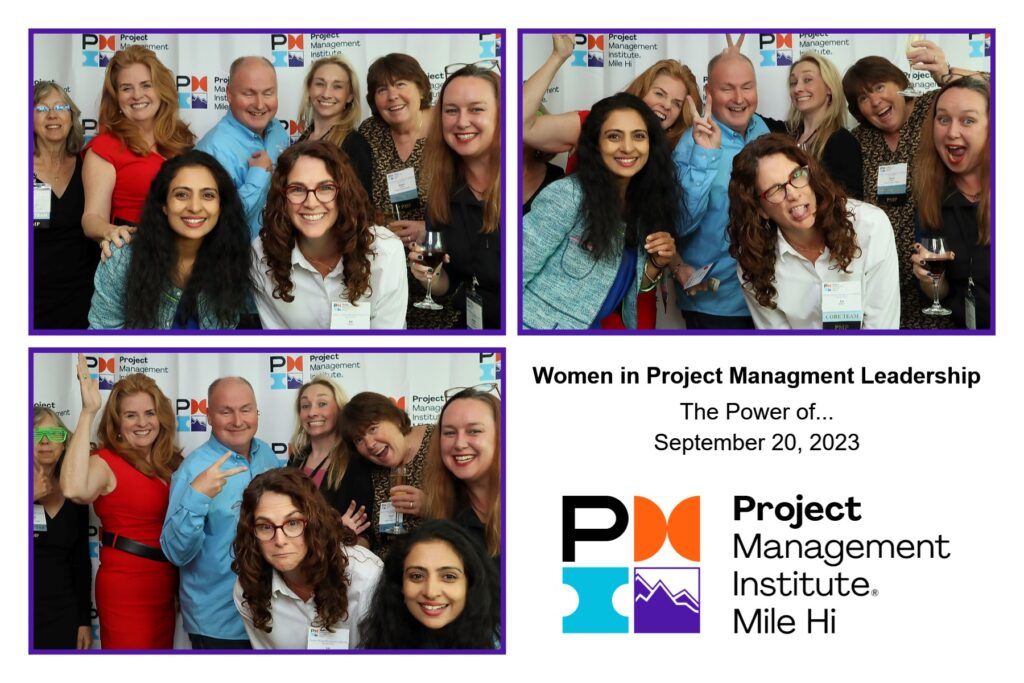
I started volunteering with PMI about 13 years ago, and it was eye-opening. I knew networking mattered in theory, but I didn’t realize how quickly relationships can change your career trajectory when you get involved consistently.
Through networking, I’ve built familiarity and trust that goes both ways. I’ve helped others get career opportunities because I could vouch for them.
When people see you showing up, contributing, learning, and supporting others, you become someone they think of when:
- ● a job opens up
- ● a contract role appears
- ● a project needs help
- ● a leadership opportunity needs filling
- ● a mentor recommendation comes up
Relationships are how careers accelerate. I’ve experienced several people get jobs because I introduced them to someone else at a networking event
A Launch Plan for New PMs
If you’re early in your PM career (or trying to pivot into it), here’s a practical starting plan:
- 1. Start with PMI Global
Learn the certification pathways and explore the resources that come with membership. - 2. Join your local chapter
Even if you’re not certified yet. Chapter membership is not dependent on certification. - 3. Attend a new member orientation
This is the fastest way to understand what’s available and where to plug in. - 4. Show up to one event per month
Consistency beats intensity. One event a month compounds quickly. - 5. Use the resources
Templates, webinars, reading center, salary survey, tools. Don’t let membership sit idle. - 6. Volunteer if you want experience fast
You will learn more by doing than you ever will by reading about project management.
Most project managers didn’t start out with a perfectly planned path. I didn’t. You might not either.
But project management is a profession where you can build a long, stable, fulfilling career across industries, and PMI exists to support that journey.
If you’re trying to launch your PM career, don’t blaze a trail when one has already been paved for you. Find the framework, find the community, and start building relationships that will carry you forward.
And if you’re in Colorado, you know where to find us.