As I think about building trust, my mind goes hog wild with ideas (not to be confused with Wild Hogs, a very funny movie I recommend.) There is so much noise out there, especially for project managers who have been told to “build more trust” when they haven’t been shown how to practice it. Before we can build trust, we have to actually be trustworthy. And that requires building a strong foundation.
The Strong Foundations of Trust
Trust cannot be built in a hurry. Like a building that stands for 1,000s of years, it must be built on a solid, quality foundation.
Consistency
People trust dependability. It’s as simple as showing up and doing what you said you would do. Inconsistency shreds credibility. A few years ago, the non-profit that I have been president of for two terms, PMI Mile Hi Chapter, went through a period where Board Member (and volunteer) retention was low. We even had three different people serve as president in one term.
The lack of consistency rippled through everything, from membership to programs. Being a consistent president for two terms (and elected for a 3rd), we are seeing better outcomes for everyone. This, and the motto fun & easy, has built high-quality programs that benefit our members and the community. Be dependable.
Honesty & Transparency
I’ve got good news; you don’t have to pretend to know everything to build trust. Isn’t that a relief? In fact, admitting you don’t have all the answers actually builds trust. Be honest and transparent, even when it is difficult.
Even as a leader, people don’t need you to have all the answers, but they do need to know you will be honest with them. Stakeholders don’t need you to be perfect; they need you to be transparent when issues arise, because they will rise. Building that trust means they will extend you the grace you need to take appropriate actions.
Competence & Commitment
Although you don’t need to have all the answers in project management, you should have experience and answers. Trust can’t be built on good intentions alone; otherwise, you will run into a consistency problem when things inevitably go haywire.
Know your limits, and don’t extend yourself beyond your competence. You know the classic line: Underpromise, Overdeliver. Capability and commitment make you a good leader and mentor.
Respect & Care
Treating people with dignity, even if you disagree, is fundamental to trust. Your team wants to know that they can come to you and get the same fair treatment as an important stakeholder. Real leadership sees people first, not categories, identities, or titles. Even in disagreement, remain respectful. Don’t let the issue become more important than a person.
No one should have to worry about being treated differently if they disagree with you. If you find someone who cares more about people than position, you’ve found someone who can be trusted.
Empathy
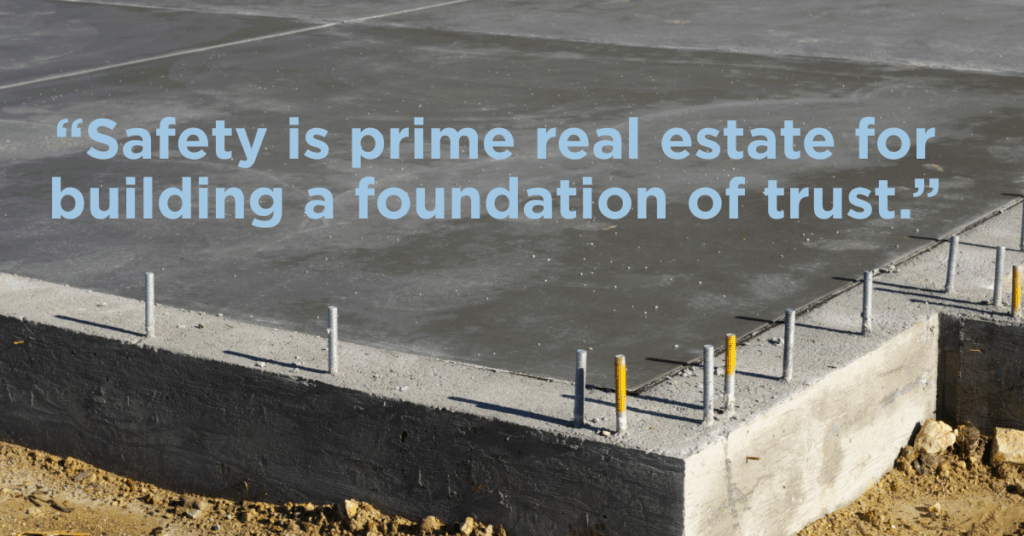
And speaking of disagreement, extend the benefit of the doubt and seek to understand before seeking to be understood. Are you someone who listens, or just waits for your turn to talk? If it’s the latter, communication goes out the window, and trust with it. Listen! When people feel heard, they feel safe. Safety is prime real estate for building a foundation of trust.
The Two-Way Street of Trust
Trust is never a one-way endeavor. You can model honesty, consistency, and care all day long, but if it isn’t reciprocated, it won’t go anywhere. It’s like trying to row a two-person canoe by yourself; you’ll just spin in circles until you’re exhausted.
When I mentor someone new, I look for early indicators of whether we can build mutual trust. I pay attention to how they follow through on commitments, how they handle disagreement, and whether they speak respectfully about others. These traits reveal how someone values people.
I sometimes ask a few simple questions:
- What motivates you in your work?
- When you make a commitment, how do you make sure you keep it?
- How do you handle disagreements?
Their answers and actions tell me what I need to know. Not just as a leader, but as someone who’s run a PMO where teamwork depends on mutual accountability. Trust takes two (or more!) willing participants.
When Not to Build Trust
Here’s the funny twist: sometimes, the most trustworthy thing you can do is not build trust. Sounds counterintuitive, right?
However, if someone repeatedly shows dishonesty, manipulation, or disrespect, it’s not noble to keep giving them chances; it’s just naive. Trust shouldn’t be blind or self-destructive. I can’t be a transparent, empathetic leader if I’m constantly trying to protect myself from being burned.
When the environment is emotionally unsafe, it’s okay to pull back. You can’t pour your energy into one-way streets and expect it to go well. Protecting your ability to stay trustworthy sometimes means knowing when to step away. Reminds me of a joke. An officer pulled someone over and said “I pulled you over because this is a one way street” and the driver says “I was only going one way”. The end result – you’ll pay.
Actions Speak Louder Than Any Leadership Poster
People notice what you do far more than what you say. They notice whether you listen, follow up, and stay calm when things go sideways. They remember how you treat them when no one’s watching.
In healthy, high-trust environments, people feel free to speak up, take risks, and make decisions knowing they’re supported. They collaborate instead of compete. They share credit and own mistakes. And they don’t waste energy second-guessing whether leadership means what they say.
For project managers and PMO leaders, this goes beyond your team.
- Teams trust leadership when they see alignment between words and actions.
- Teams trust each other when respect replaces blame.
- Clients trust teams when communication is clear and priorities stay centered on shared goals.
For every project manager or leader, trust moves projects forward faster than any tool, system, or status meeting ever could.
At the end of the day, trust is built on small, steady things you do over time.
Be consistent.
Be honest.
Be competent and caring.
Be someone whose empathy shows up in actions, not just words.
Trust can’t be built in a day, and it shouldn’t be given away carelessly. But when it’s earned, it becomes the foundation that holds every great project management effort together.